
 Written by our Travel Specialist, Uriel de Toro
Learn how the Coral Project Association of Sámara regenerates coral reefs through community-based initiatives, integrated into transformative sustainable travel itineraries by Ecole Travel.
Connecting Tourism with Marine Regeneration
Along Costa Rica’s Pacific coast, the waters surrounding Sámara are more than just a stunning backdrop for travelers. They are a living marine ecosystem, home to extraordinary biodiversity, artisanal fisheries, and local livelihoods that have thrived for generations.
Today, this ecosystem faces unprecedented threats from climate change, ocean warming, and coral degradation. The Coral Project Association of Sámara has emerged as a local leader, actively restoring coral reefs and redefining how tourism can become a partner in regeneration.
For tourism operators and travel partners, this initiative represents an opportunity to offer transformative, responsible, and regenerative experiences that connect travelers with real environmental impact.
Why Coral Reefs Are Vital
Coral reefs are among the planet’s most critical ecosystems:
- They sustain extraordinary marine biodiversity, providing shelter and food for countless species.
- They protect coastlines from erosion, storms, and rising sea levels.
- They support fisheries and tourism, directly impacting local economies.
- They act as indicators of ocean health, signaling environmental changes that affect communities and industries alike.
Unfortunately, coral reefs worldwide are deteriorating due to rising sea temperatures, pollution, and unsustainable practices. In Sámara, this decline threatens both the ecosystem and the livelihoods of those who depend on it.
The Coral Project Association of Sámara: Local Leadership in Action
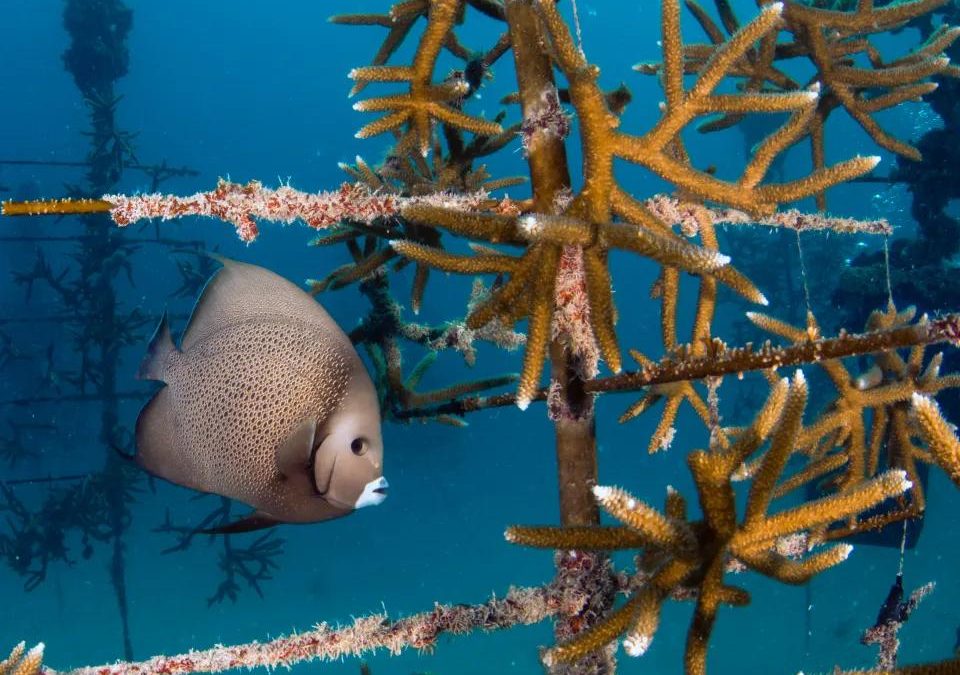
The Coral Project Association of Sámara is at the forefront of restoration efforts. Its approach combines scientific research, community engagement, and hands-on conservation techniques:
- Coral nurseries cultivate young corals for reef transplantation.
- Fragment propagation and transplantation restore damaged areas.
- Monitoring and scientific analysis track growth and ecosystem health.
- Education programs raise awareness among locals, visitors, and students.
Crucially, the association actively involves fishermen, guides, and tourism operators, ensuring that restoration is a community-driven effort.
Visitors participating through Ecole Travel don’t just observe; they become ambassadors for marine conservation, learning about coral biology, climate impacts, and the delicate balance of coastal ecosystems.
Ecole Travel: Bridging Visitors and Conservation
Ecole Travel serves as a strategic intermediary, connecting travelers with the Coral Project Association and other local initiatives. Our role ensures that tourism supports the association’s goals while delivering meaningful experiences for guests.
Through Ecole Travel’s itineraries, visitors:
- Engage directly with community-led restoration projects.
- Understand the scientific and social dimensions of coral conservation.
- Contribute economically to sustainable tourism models.
- Support local livelihoods by channeling tourism revenue to the association.
By facilitating these interactions, Ecole Travel ensures that tourism is both responsible and regenerative, turning travelers into active participants rather than passive observers.
Transforming Coastal Tourism Into Regenerative Experiences
Traditional beach tourism often emphasizes sun, sand, and leisure. In Sámara, the Coral Project Association and Ecole Travel demonstrate that it can evolve into regenerative coastal tourism.
This model emphasizes:
- Education over consumption: Visitors learn about marine ecosystems and restoration techniques.
- Science over exploitation: Restoration projects are guided by research and monitoring.
- Community over mass tourism: Local stakeholders are central to every step of the process.
- Impact over spectacle: Tourism contributes to real ecological and social outcomes.
Integrating Coral Restoration Into Transformative Itineraries
Ecole Travel ensures that coral restoration is not an isolated activity but embedded within thoughtfully designed travel programs.
- Travelers spend time in Sámara learning about coral ecosystems and participating in restoration activities.
- The itinerary balances conservation, cultural immersion, and leisure, providing depth without compromising sustainability.
- Partnerships with local guides, fishers, and the Coral Project Association ensure authenticity and measurable impact.
Community and Ecosystem Benefits
The collaboration between the Coral Project Association, local communities, and Ecole Travel creates a positive feedback loop:
- Tourism revenue supports reef restoration and community livelihoods.
- Healthy reefs strengthen local fisheries and marine ecosystems, reinforcing the region’s economic and environmental resilience.
- Environmental education fosters long-term awareness among visitors and locals alike.
This model demonstrates that coastal tourism can be a force for ecological regeneration, directly benefiting both nature and people.
The Future of Regenerative Coastal Tourism
Sámara is a powerful example of how tourism, when thoughtfully designed, can restore ecosystems while creating meaningful experiences.
By acting as a bridge between the Coral Project Association and visitors, Ecole Travel ensures that tourism:
- Contributes directly to marine conservation.
- Supports community-led initiatives.
- Creates transformative travel experiences that inspire long-term engagement.
Visitors leave Sámara with more than memories — they leave with a deeper understanding of the ocean’s fragility, the value of community-led conservation, and the knowledge that their travel choices have a positive impact.
Travel That Heals the Ocean
Sámara is more than sun, sand, and surf. It is a destination where tourism becomes a tool for regeneration, and travelers are invited to participate in solutions rather than problems.
Through partnerships with the Coral Project Association of Sámara, Ecole Travel designs itineraries that connect people, science, and community, proving that responsible tourism can actively restore ecosystems.
In Sámara, travel is not just leisure — it is a force for ocean regeneration.