
COSTA RICA
GENERAL INFORMATION
About Costa Rica
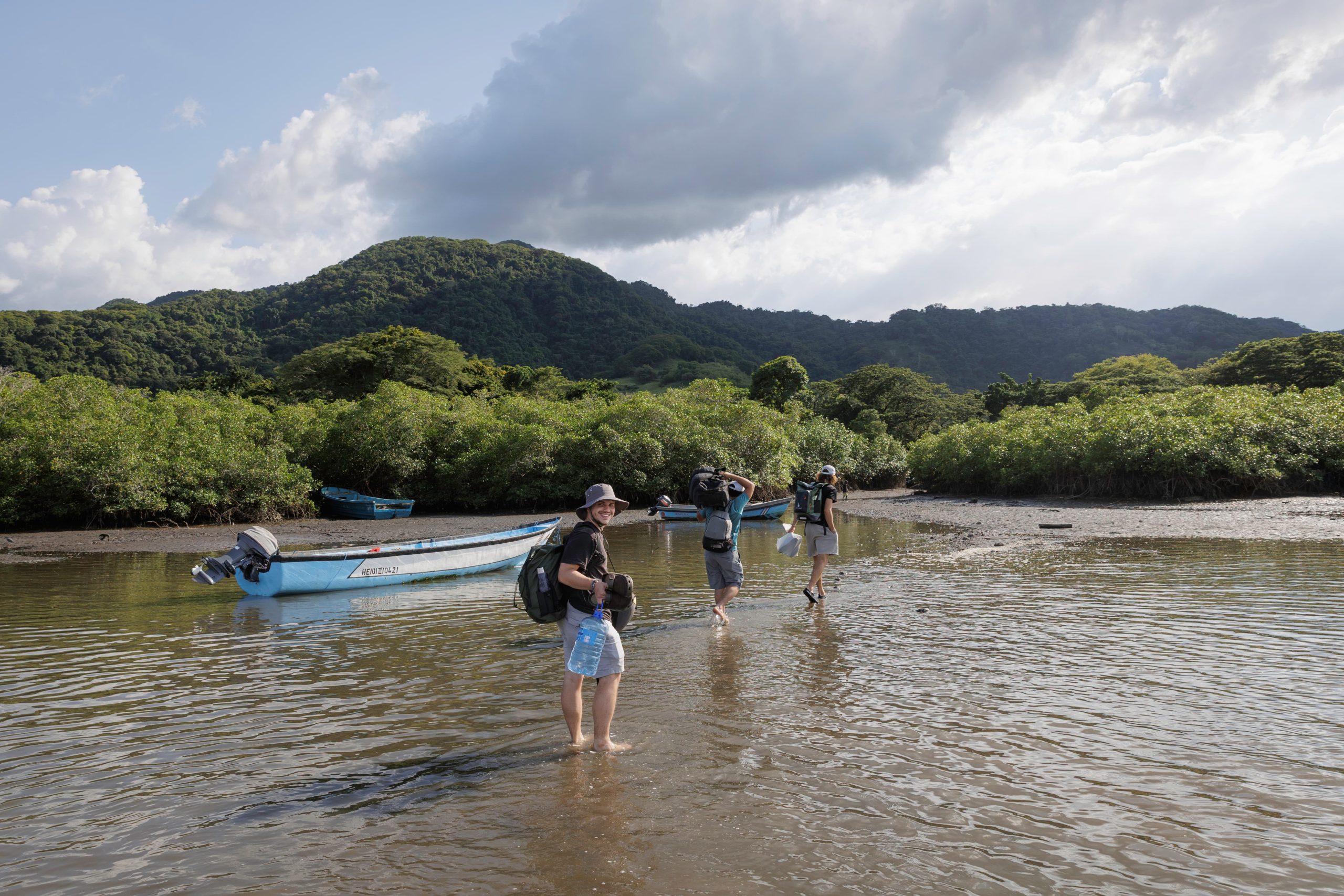
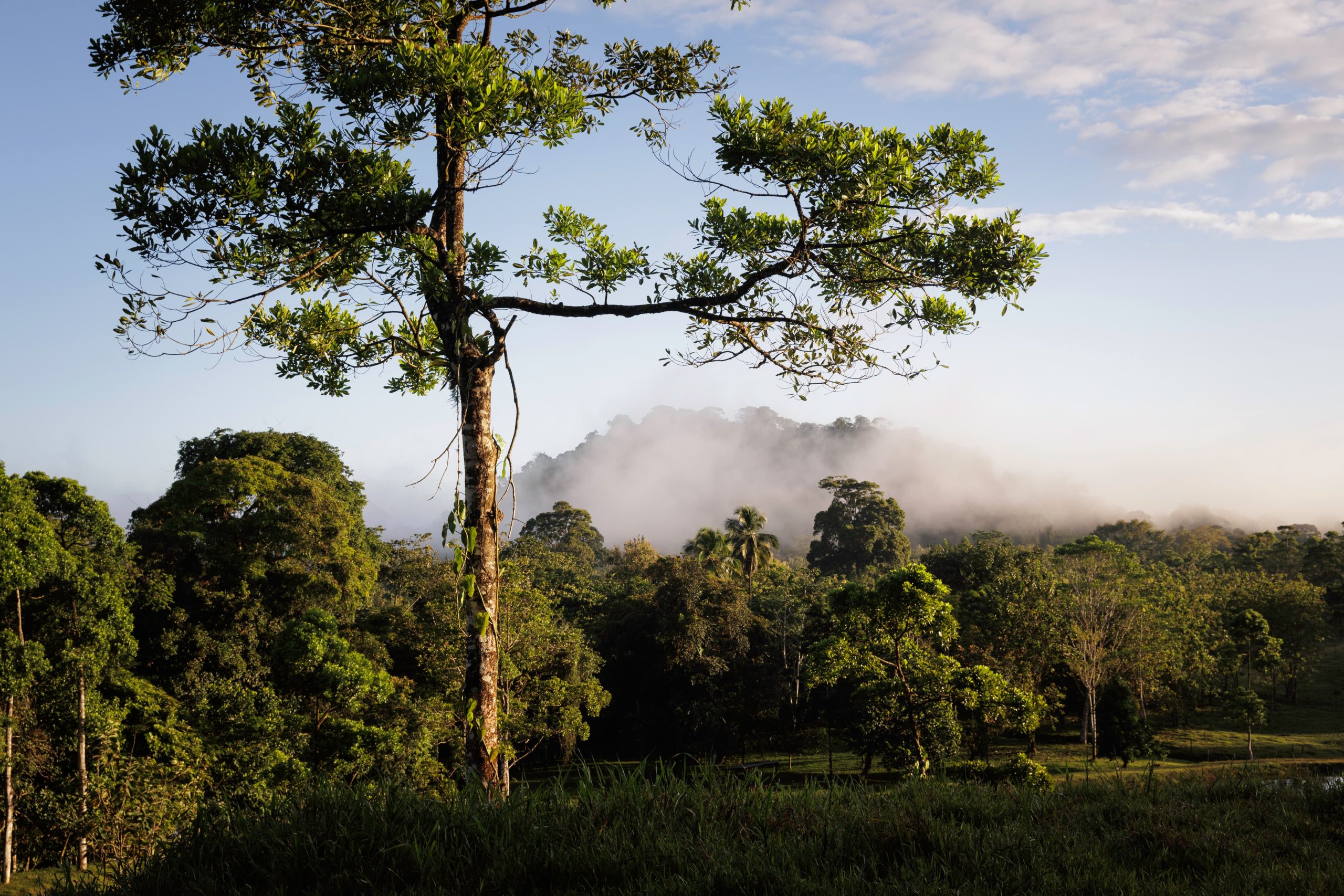
Costa Rica is simply a fantastic destination for traveling and vacationing. It possesses an enormous biodiversity within its varied ecosystems. Situated between Nicaragua (in the North) and Panamá (in the South) it has just a small surface which means that travel distances are short. The abundancy of nature and the easiness to observe wildlife makes it a very popular destination.
SOME INTERESTING FACTS ABOUT COSTA RICA
DESTINATION INFO
Key Facts About Costa Rica
Costa Rica is a democratic and peaceful nation whose last civil war took place in 1948; a year later, the army was permanently abolished. In 1986, President Oscar Arias was awarded the Nobel Peace Prize for his key role in ending civil conflicts across Central America. Additionally, Costa Rica played a vital part in the realization of the Paris Agreement on Climate Change (2016), with Costa Rican diplomat Christiana Figueres successfully brokering the historic accord among world nations.
The country features an extensive environmental protection system ranging from National Parks to Wildlife Refuges and Biological Corridors, covering about 40% of its total territory. Most renowned are the National Parks dedicated to sustainable ecotourism, with Tortuguero, Arenal, and Manuel Antonio standing out as the most visited and celebrated conservation areas.
Costa Rica boasts a first-class healthcare system, including highly advanced private medical facilities. Travelers who have required medical assistance during their vacations consistently praise the exceptional quality, efficiency, and professionalism of the country's medical care.
Significant recent infrastructure investments, including new highways and major roadway upgrades, have greatly improved connectivity. These developments make navigating the country much easier and safer for international visitors opting to rent a car.
Air connectivity has expanded significantly, with direct flights connecting Costa Rica to seven major European hubs: Lufthansa and Condor (Germany), Air France (France), Edelweiss/Swiss Air (Switzerland), KLM (Netherlands), British Airways (UK), and Iberia (Spain).


PRACTICAL GUIDELINES
What to Pack
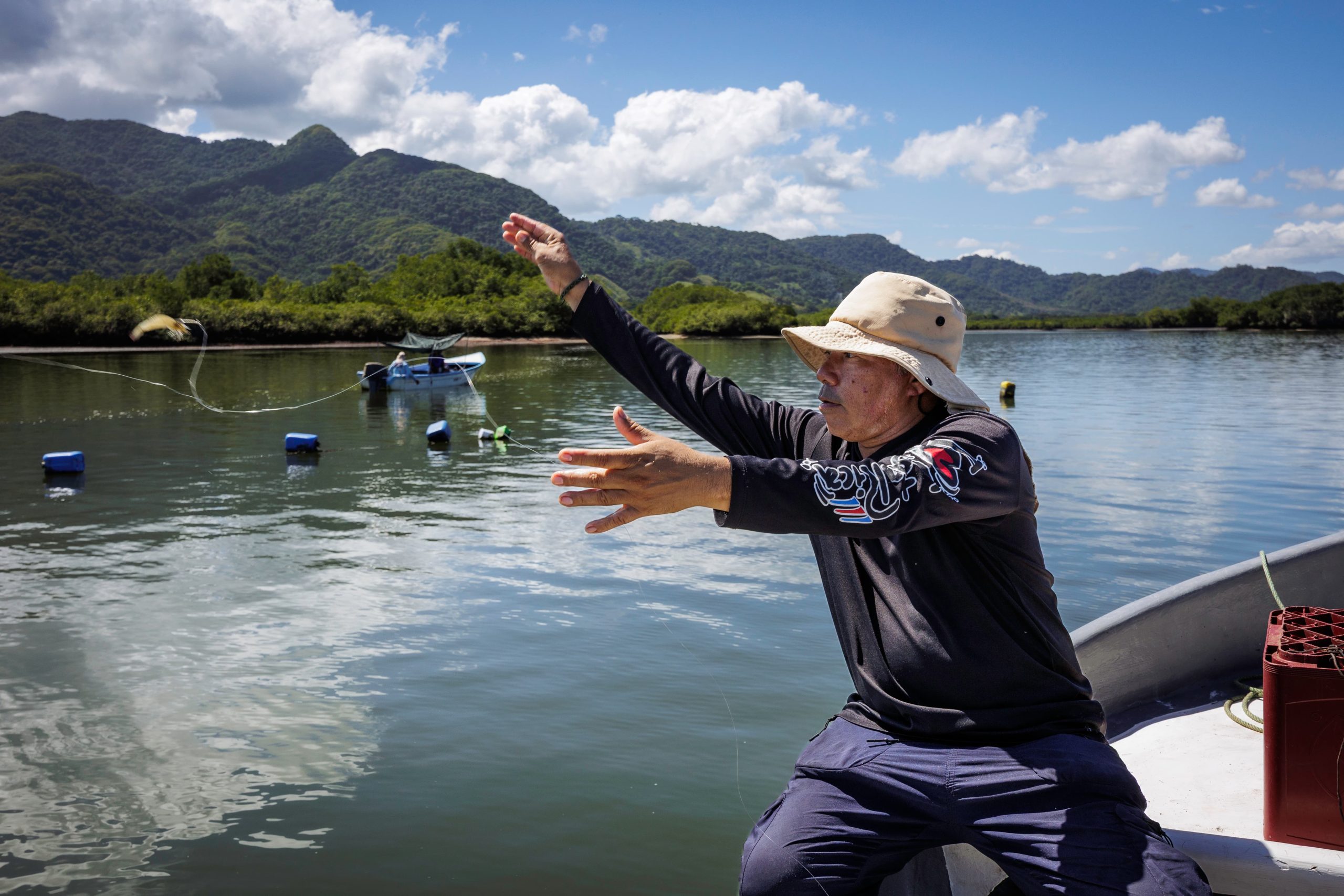
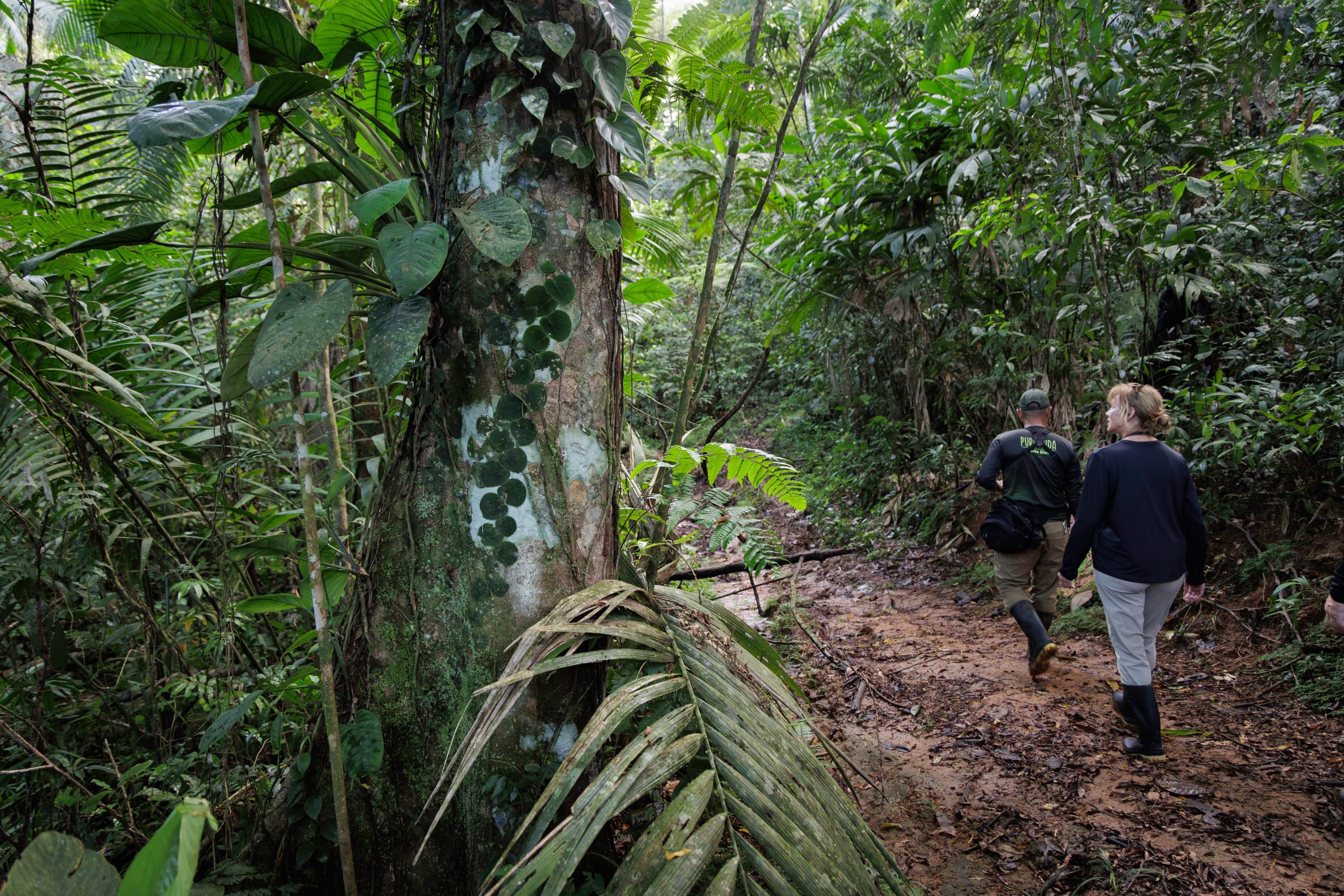
When planning a roundtrip through Costa Rica's diverse microclimates, smart packing is key. We highly recommend bringing: light travel clothing, reliable raingear (like a waterproof poncho), a warm sweater or jacket (the highlands can get surprisingly cold), sturdy hiking shoes, sandals, and water shoes.
Don't forget a sun cap, high-SPF sunscreen, a reliable insect repellent, binoculars for wildlife viewing, a flashlight, a money belt, and a US-standard plug adapter if you are traveling from Europe.
Entry Requirements & Airport Info
Passport & Visas: Your passport must be valid for at least six months from your date of entry. You must also hold a return ticket or official proof of onward travel. Tourists can stay in Costa Rica for up to 90 days.
Transit via the US: If your flight transits through the United States, your passport must be machine-readable, and you are required to secure an electronic travel authorization prior to departure via the official ESTA platform (esta.cbp.dhs.gov).
Arrival: Juan Santamaría International Airport (SJO) in Alajuela is located about 30 minutes from the capital, San José. Money-saving tip: Avoid exchanging currency at the airport terminal as rates are unfavorable; use the available airport ATMs instead.
Safety & Ocean Currents
Costa Rica is a generally safe, peaceful, and welcoming destination. However, to ensure a trouble-free journey, always maintain basic precautions and keep an eye on your personal belongings. Always use your hotel room's safety deposit box for valuables.
Emergencies: In the unlikely event of theft, reports must be filed with the local OIJ (Organismo de Investigación Judicial) office. For any immediate emergency, dial 911.
Beach Safety: Ocean currents can be exceptionally strong. Pay close attention to beach flags: a green flag indicates safe swimming conditions, while a red flag warns of severe danger. If no flags are present and the beach is empty, always consult locals before entering the water.
Getting Around
Public Buses: The most economical way to travel. San José serves as the main transportation hub connecting to all major destinations. We advise purchasing your tickets at the respective terminal a day before departure.
Shuttles & Domestic Flights: Private shuttle companies (such as Interbus) offer comfortable, door-to-door shared transportation. For longer distances, domestic airlines like Sansa operate flights under an hour from San José to major tourist hotspots.
City Taxis: Official, legal cabs are easily recognizable by their bright red color and a yellow triangle logo on the front doors. They are equipped with meters, locally known as the "María".
Money, Tipping & Spending
Currency: The national currency is the Colón (₡). US Dollars are also widely accepted almost everywhere. We highly recommend carrying small denominations ($1, $5, $10, or $20 notes). Euros and British Pounds are rarely accepted outside of major banks.
Cards & ATMs: Credit and debit cards (VISA, Mastercard, and AMEX) are standard payment methods across the country. ATMs are widely available in all major towns, allowing withdrawals in both colones and often US dollars.
Tipping & Taxes: Restaurants automatically include a 13% sales tax and a 10% service charge on the final bill. Extra tipping is appreciated for exceptional service. It is customary to tip hotel staff, bellboys, private drivers, and tour guides.
Weather & Microclimates
Costa Rica features a tropical climate with coastal temperatures averaging around 30 °C, while San José enjoys a milder range between 22 °C and 30 °C. Humidity levels are generally high throughout the country.
The Seasons: The Pacific coast has a defined dry season (December to April) and a rainy season (May to November). The Caribbean coast experiences rainfall year-round, though September, October, and November stand out as the driest months there.
Due to sudden altitude changes, you will experience sudden "microclimates" while driving short distances. Always keep a poncho and a light sweater handy during transfers!
Connectivity & Electricity
Mobile Networks: Major local carriers include Kölbi, Liberty, and Claro, with Kölbi offering the most extensive regional coverage. Signal strength can drop in remote mountainous areas. Purchasing a local prepaid SIM card or eSIM is straightforward; just ensure you have your physical passport with you at registration.
Wi-Fi & Power: Complementary Wi-Fi is standard in almost all hotels and lodges. Electricity runs at 110 volts using flat-pin US-style plugs. Power outages can occasionally occur in rural areas. Costa Rica operates on the GMT-6 time zone.
Tropical Wildlife & Healthcare
Scary Creatures: As a hyper-biodiverse tropical nation, encountering insects, harmless geckos, and diverse reptiles in or around rural accommodations is perfectly normal and unavoidable. Embrace the experience, keep your room doors shut, and use insect repellent consistently if mosquitoes are present.
Healthcare Services: Costa Rica boasts an exceptional medical system, with premier private hospitals offering rapid, fluent English-speaking, and highly professional care. For tailored medical advice or required vaccinations, we recommend consulting your physician prior to travel.
LINKS OF INTEREST
Here you can find links to some of the organization we are member of or with which we are in close cooperation.
- CANAECO -Camera Nacional de Ecoturismo y Turismo Sostenible de Costa Rica: National Camera of Ecotourism and Sustainable Tourism of Costa Rica.
- CANATUR -Camara Nacional de Turismo-: National Tourism Chamber.
- CST –Certificado para la Sostenibilidad Turística: Certification for Sustainable Tourism.
- Esencial: National Trade Mark
- Programa Bandera Ecológica Azul: Blue Flag Ecological Program.
- PANI -Patronato Nacional de Infancia-: Child protection Costa Rica.
- ECOLE EXPERIENCE
- FUTUROPA: Promoting Costa Rica in Europe
- ICT –Instituto Costarricense de Turismo-: Costa Rica Tourism Board
- ACOT – Asociación Costarricense de Operadores de Turismo-: Costa Rican Association of Tourism Operators
- INAMU –Instituto Nacional de la Mujer-: National Women Institute
- Visit Costa Rica: Visit Costa Rica, official site.
- FONAFIFO: Forest financing fund of Costa Rica
- Red Costarricense de Reservas Naturales: Costa Rican network of natural reserves
FAQ
Frequently Asked Questions
Visitors to Costa Rica must have a valid passport as well as proof of their intent to exit the country before their visa or entry stamp expires, usually within 90 days. All non-resident travelers must possess a return ticket or a ticket as proof of when they intend to exit the country (onward ticket). This is required if you are traveling on a one-way ticket, entering with a return ticket dated more than 90 days after arrival, or flying out of a different country.
Costa Rica does not impose vaccination restrictions on Europeans or Latin-Americans. However, it is fully recommendable to visit your doctor before traveling. Note that travelers from certain countries, including Angola, Bolivia, Brazil, Colombia, Ecuador, Peru, Venezuela, and others, are required to possess a yellow fever vaccination certificate upon entry.
Tourists visit Costa Rica year-round — both dry and rainy seasons are enjoyable. The Pacific coast has a dry season from December to April and a rainy season from May to November. The Caribbean coast has a more unpredictable climate with rain year-round, though September and October are the driest months there and the best on the Caribbean side. We recommend avoiding the Pacific side during September and October.
No. If you want to rent a car in Costa Rica, a valid driver's license from your home country is sufficient.
Yes! Costa Rica is fortunate to have potable tap water almost countrywide. It is perfectly fine to eat fresh salads or drink fresh juices during your stay.
The most important item is closed shoes for hiking. We also recommend long pants made of quick-drying material, rain gear, a hat, and insect repellent. Being well-prepared makes the rainforest experience much more comfortable and enjoyable.
Absolutely. Ecole Travel always includes a Meet & Greet the morning after your arrival, where you will meet your travel planner to ask any questions. Throughout your roundtrip, you can reach us for assistance 24/7.
More and more vegetarian and vegan options are appearing on menus across the country, especially in San José and popular destinations like Puerto Viejo, Manuel Antonio, La Fortuna, and Monteverde. In lodges outside tourist centers, the options may be more limited.
The local currency is the Colón, but US Dollars, in notes up to $20, are accepted almost everywhere. You may bring some cash, and there are ATMs throughout the country where you can withdraw colones or sometimes dollars. Avoid exchanging money at the airport upon arrival, as rates are unfavorable. Use the ATM available at the airport instead.
Costa Ricans are remarkably conscious about nature and the environment. You can support their efforts by reducing and recycling waste, choosing hotels and providers that operate sustainably, looking for the CST certification, and buying local products and services whenever possible.