

Written by our Travel Specialist, Maureen Rietveld
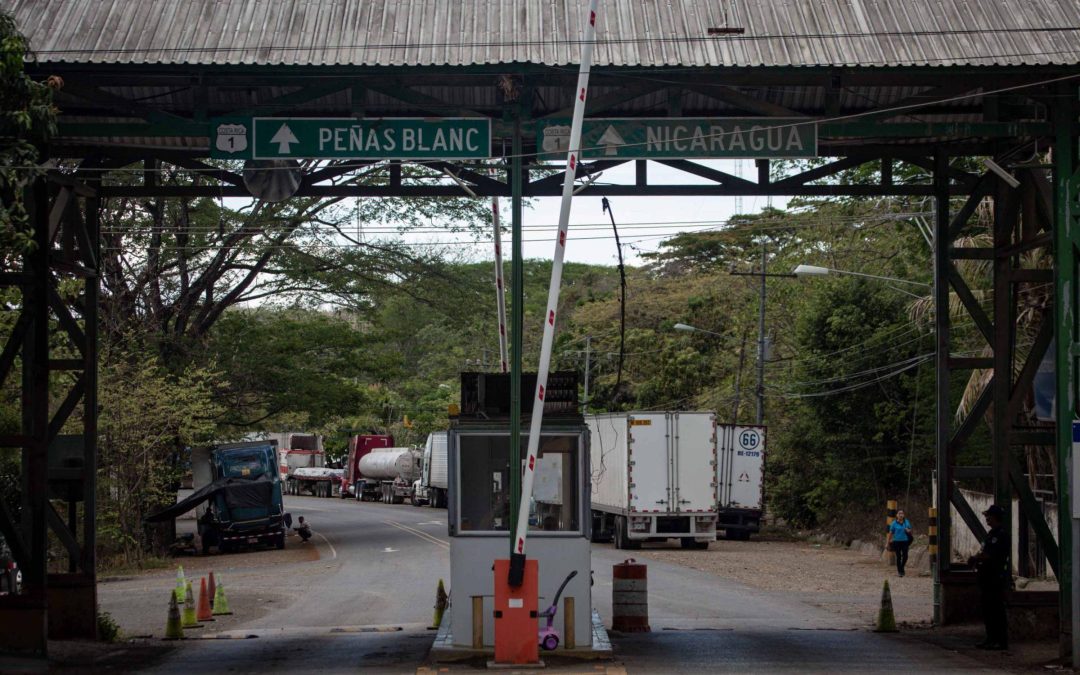
Crossing the border between Costa Rica and Nicaragua at Peñas Blancas is a straightforward process when you know what to expect. While it may feel busy at times, a bit of preparation ensures a smooth and efficient experience.
What to Expect at Peñas Blancas
The Peñas Blancas border is one of the main crossings between Costa Rica and Nicaragua. Many travellers cross here when combining both countries in one journey. Rental cars are typically not allowed to cross international borders, so it is common to switch vehicles on each side. Shuttle services and private transfers are also widely used and offer a seamless alternative. Do note that you will need to carry your luggage across the border area. On the Nicaraguan side, local bike taxis are available for a small fee, which can be helpful, especially in warm conditions.
Before You Arrive
Preparation is key to avoiding delays:
- Your passport must be valid for at least 6 months
- Bring small US dollar bills in cash
- Check that you have not overstayed your visa
- Carry proof of onward travel (flight or bus ticket)
Both countries charge entry and exit fees, which are payable in cash. Having small bills will make the process significantly easier. 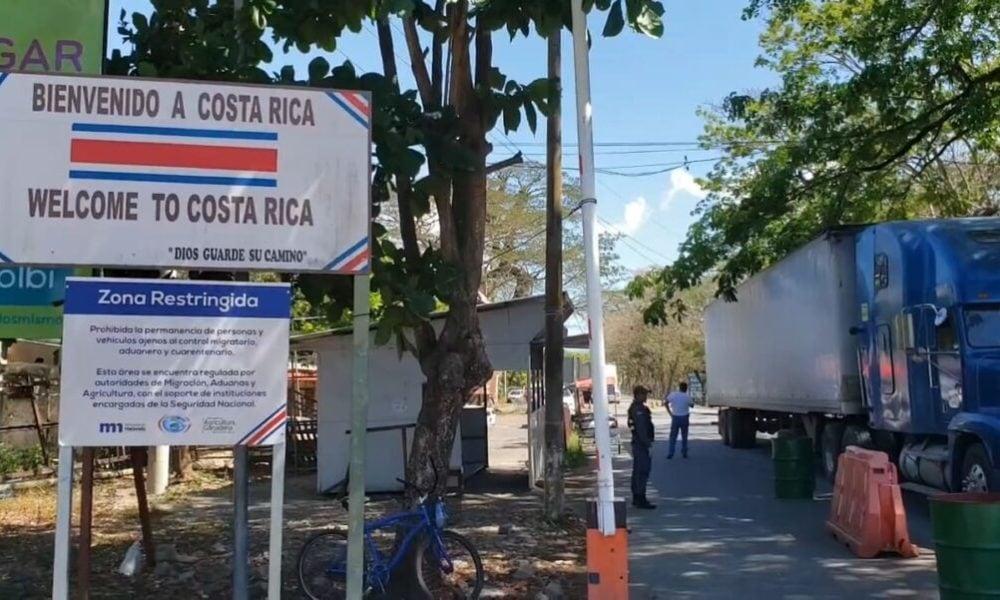
Exiting Costa Rica
If you are arriving by rental car, the first step is returning the vehicle at an office near the border. Some companies provide a short transfer to the immigration area.
Once at the pedestrian crossing:
- Pay the Costa Rican exit tax (approximately $10 USD)
- Keep your receipt
- Proceed to immigration for your exit stamp
Processing times vary depending on the season and time of day, ranging from a few minutes to up to an hour.
Crossing Between Borders
After exiting Costa Rica, you will walk a short distance to the Nicaraguan side. The route is simple but can be hot and busy. You may encounter informal money changers along the way. While some are legitimate, it is generally advisable to rely on US dollars for official payments.
Entering Nicaragua
Upon arrival, the process typically includes:
- Passport check
- Completion of a short entry form (if required)
- Payment of entry fees (approximately $12 USD + $1 administrative fee)
- Immigration stamp
Once stamped in, always check the number of days granted for your stay. If you have arranged transport or a rental car, your driver or representative will usually be waiting outside the border area.
Returning to Costa Rica
The return process follows similar steps, with slightly different fees:
- $1 municipal tax
- Approximately $3 USD exit tax
- Immigration exit stamp
When re-entering Costa Rica, immigration officers may request proof of onward travel. As always, confirm the number of days granted upon entry.
Timing and Practical Tips
The full crossing typically takes between 45 minutes and 2 hours, depending on traffic and seasonality. To make the experience smoother:
- Travel early in the morning to avoid queues and heat
- Keep documents easily accessible
- Stay patient and follow instructions from officials
A Transition Between Two Worlds
Crossing at Peñas Blancas is more than a logistical step—it marks a transition between two distinct countries, each with its own rhythm, culture, and landscape. With realistic expectations and proper preparation, the experience becomes not only manageable, but a natural part of the journey.
⚠️ Note
Border fees and procedures may change, so it is always advisable to confirm the latest requirements before travelling.