
Written by our Travel Specialist, Diego Quesada
Costa Rica is home to more than 28 national parks and protected areas, covering around 25% of the country’s territory and safeguarding an extraordinary level of biodiversity. Among the most iconic are Corcovado, Tortuguero, Manuel Antonio, and the Arenal and Poás volcanoes.
All national parks are managed by the SINAC, whose role is to protect natural ecosystems while allowing visitors to experience ecotourism, hiking, and wildlife observation in a responsible way.
How to Buy Tickets for National Parks in Costa Rica
For most national parks, tickets can be purchased online through the official SINAC website. Some parks also offer on-site ticket sales, although availability is limited.
Each park operates under a strict visitor capacity system to protect ecosystems, so booking in advance is strongly recommended—especially during high season.
To purchase tickets online, visitors must:
- Register on the official SINAC platform (https://serviciosenlinea.sinac.go.cr/)
- Provide personal details
- Select a specific date and time slot
Visiting with a Guide
Another option is to visit with a local guide or tour operator. Guided tours often include the entrance fee and require basic information such as passport details.
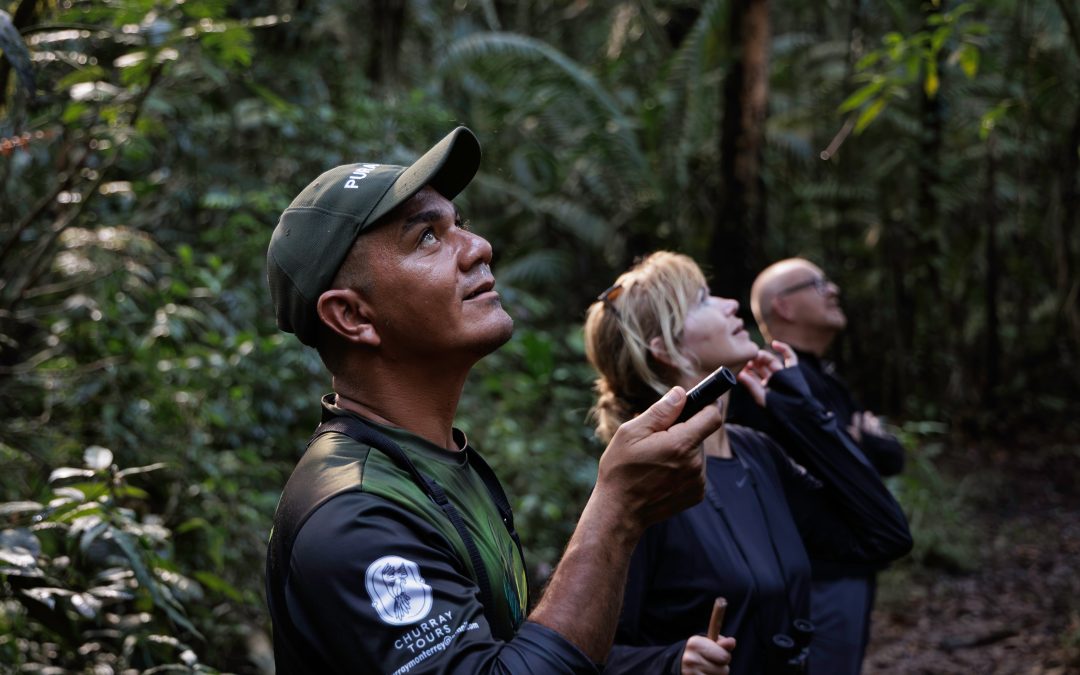
A guided visit is highly recommended for those interested in wildlife and ecology. Most guides are certified naturalists and walk at a slower pace, significantly increasing the chances of spotting animals in their natural habitat.
Regulations and Entry Requirements
Before entering any national park, visitors should be aware of the following:
- A valid ID or passport is required
- Opening hours are generally from 7:00 am to 4:00 pm
- Feeding wildlife and removing natural elements is strictly prohibited
- Visitors must remain on marked trails
Prohibited Items
- Alcohol and drugs
- Weapons or sharp objects
- Pets
- In some parks, single-use plastics
Responsible Behaviour Guidelines
- Do not feed or touch wildlife
- Minimise waste and take all rubbish with you
- Stay on designated trails
- Do not remove plants, rocks, or natural materials
- Keep noise levels low to avoid disturbing wildlife
Practical Travel Tips
- Wear comfortable shoes and appropriate clothing (light or waterproof depending on the region)
- Bring water, snacks, and sun protection
- Use insect repellent, preferably in cream
- In mountainous areas, pack a light jacket or rain gear
- In volcanic areas, always follow safety instructions
For parks such as Chirripó, reservations must be made well in advance due to limited capacity.
Costa Rica’s Most Visited National Parks
Costa Rica is home to approximately 5% of the world’s known biodiversity. If you are planning your visit, these are some of the most visited national parks in the country:
Manuel Antonio National Park
Located on the Pacific coast, Manuel Antonio is one of the most accessible and popular parks in Costa Rica, known for its beautiful beaches and dense rainforest.
Wildlife sightings are frequent and may include white-faced capuchin monkeys, sloths, iguanas, pelicans, frogs and crabs. The park is just a short walk from the public beach, with nearby facilities such as parking, restaurants and small hotels.
Strict conservation measures are in place, including restrictions on fishing and wildlife interaction.
Poás Volcano National Park
Located in Alajuela province, Poás Volcano rises to approximately 2,500 metres above sea level and is one of the country’s most active volcanoes.
While large mammals are less common, the park is home to a variety of smaller species such as squirrels, birds, frogs and insects. Increased volcanic activity over recent decades has affected vegetation in some areas.
Irazú Volcano National Park
Situated in Cartago province, Irazú is the highest volcano in Costa Rica, rising above 3,000 metres.
On clear days, it is possible to see both the Caribbean and Pacific coasts from the summit. The landscape is stark and dramatic, with several craters and surrounding cloud forest. Wildlife is less visible due to volcanic activity, though small mammals and birds inhabit the area.
Marino Ballena National Park
Located on the South Pacific coast near Uvita, this park is named after the humpback whales that migrate to the area between July–October and December–March.
One of its most famous features is the “Whale Tail” sandbar, visible at low tide, forming a natural pathway into the ocean.
Tortuguero National Park
Located on the Caribbean coast, Tortuguero is one of Costa Rica’s most important conservation areas.
The park protects key nesting sites for several endangered sea turtle species, including green turtles, hawksbill and leatherback turtles, which nest between July and October.
Its network of canals, rainforest and wetlands supports an exceptional range of biodiversity, including jaguars, tapirs and numerous bird species.
A Natural Legacy Worth Protecting
Costa Rica’s national parks offer more than just beautiful landscapes — they represent a long-standing commitment to conservation and sustainable tourism.
By visiting responsibly, travellers contribute directly to the protection of these ecosystems, ensuring they remain preserved for future generations.