 Written by our Travel Specialist, Uriel de Toro
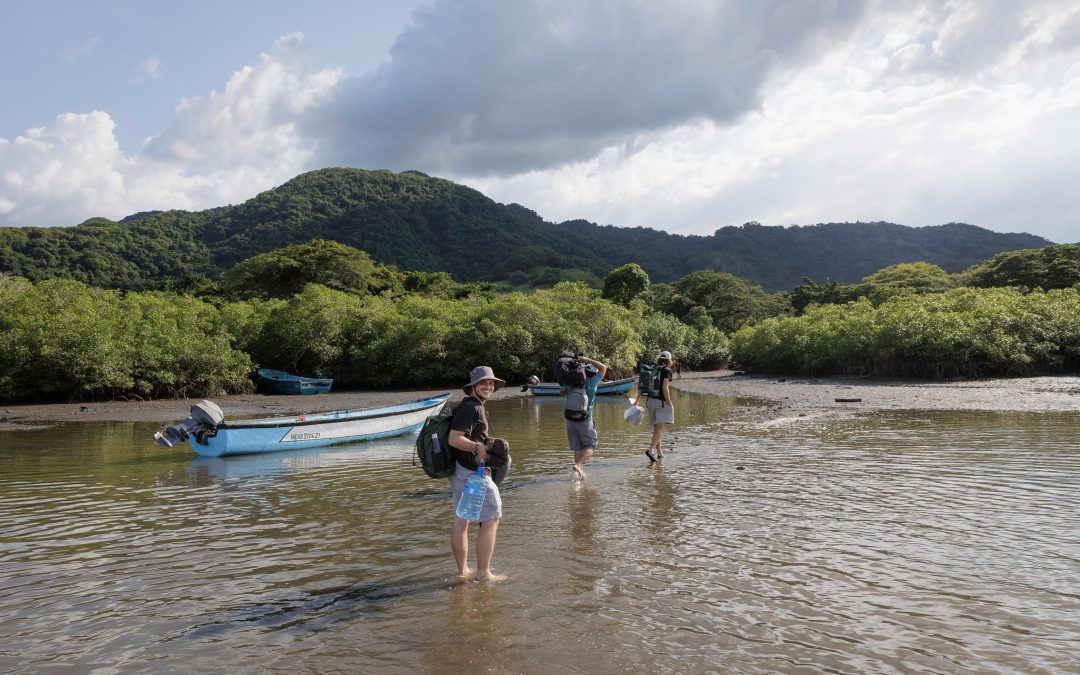
Explore Isla Venado in Costa Rica’s Gulf of Nicoya — a community-based and regenerative tourism destination integrated into sustainable travel itineraries that support marine conservation and local communities.
A Hidden Sustainable Travel Destination in Costa Rica
Located in the heart of the Gulf of Nicoya on Costa Rica’s Pacific coast, Isla Venado is emerging as a leading example of community-based tourism in Costa Rica.
Far from high-density tourism corridors, the island offers a low-impact, small-scale experience rooted in local culture, marine conservation, and rural economic resilience. For travelers seeking meaningful and responsible travel experiences, Isla Venado represents a powerful alternative to conventional tourism models.
From Artisanal Fishing to Rural Community Tourism
For generations, Isla Venado’s economy depended primarily on artisanal fishing. Like many coastal communities worldwide, the island has faced increasing pressure from declining marine resources, climate variability, and limited economic diversification.
Rather than intensifying extractive activities, the community chose to develop rural community tourism in Costa Rica as a complementary livelihood strategy. This transition was not imposed by outside investors — it was designed and led locally.
The objectives were clear:
- Generate additional income beyond fishing
- Reduce pressure on marine ecosystems
- Preserve traditional ecological knowledge
- Create opportunities for younger generations
- Strengthen community governance
Today, Isla Venado stands as a tangible example of sustainable tourism development in Central America — where environmental protection and economic stability advance together.
How Ecole Travel Integrates Community-Based Tourism into Sustainable Itineraries
At Ecole Travel, sustainability is not an optional add-on. It is embedded into the structure of our travel design.
We actively integrate community-based initiatives like Isla Venado into our customized sustainable travel itineraries in Costa Rica. This ensures that responsible tourism is experienced as a meaningful and coherent part of the journey.
Our approach prioritizes:
- Direct economic benefit to local families
- Thoughtful itinerary pacing aligned with slow travel principles
- Small group sizes
- Educational components about conservation and community development
- Long-term partnerships with local stakeholders
Rather than isolating rural tourism projects as side experiences, we position destinations like Isla Venado within broader journeys that also include Costa Rica’s national parks, biodiversity reserves, and protected landscapes.
This integrated model strengthens the tourism value chain connecting international travelers with community-led sustainability initiatives in a transparent and respectful way.
Strengthening Rural Economies Through Responsible Travel
Community-based tourism is not only about experience — it is about structural impact.
In Isla Venado, tourism:
- Diversifies rural income sources
- Circulates revenue within the community
- Reduces economic vulnerability
- Reinforces cultural identity
- Encourages intergenerational knowledge transfer
By incorporating Isla Venado into our itineraries, Ecole Travel ensures that tourism revenue supports locally owned initiatives rather than external intermediaries, ensuring responsible travel in Costa Rica.